
If you've come across these menus before, you probably know them as "waterproof" menus rather than synthetic ones. That colloquial name tends to stick, but synthetic is the term the industry actually uses.
So what exactly are they? Put simply, synthetic menus are restaurant menus printed on plastic "paper" — and yes, those quotation marks matter. This material isn't paper in the traditional sense at all. There's no tree pulp involved. Instead, it's made from plastics like PVC, polypropylene, or polyethylene, each with its own personality.
PVC is the showboat of the bunch. The added chlorine gives it a brighter, crisper white that restaurants tend to love. There's a catch, though. PVC usually falls under resin code 3, which a lot of recycling programs won't touch — burning it can release toxic compounds. As regulations around PVC tighten, eco-minded restaurant brands are quietly moving away from it.
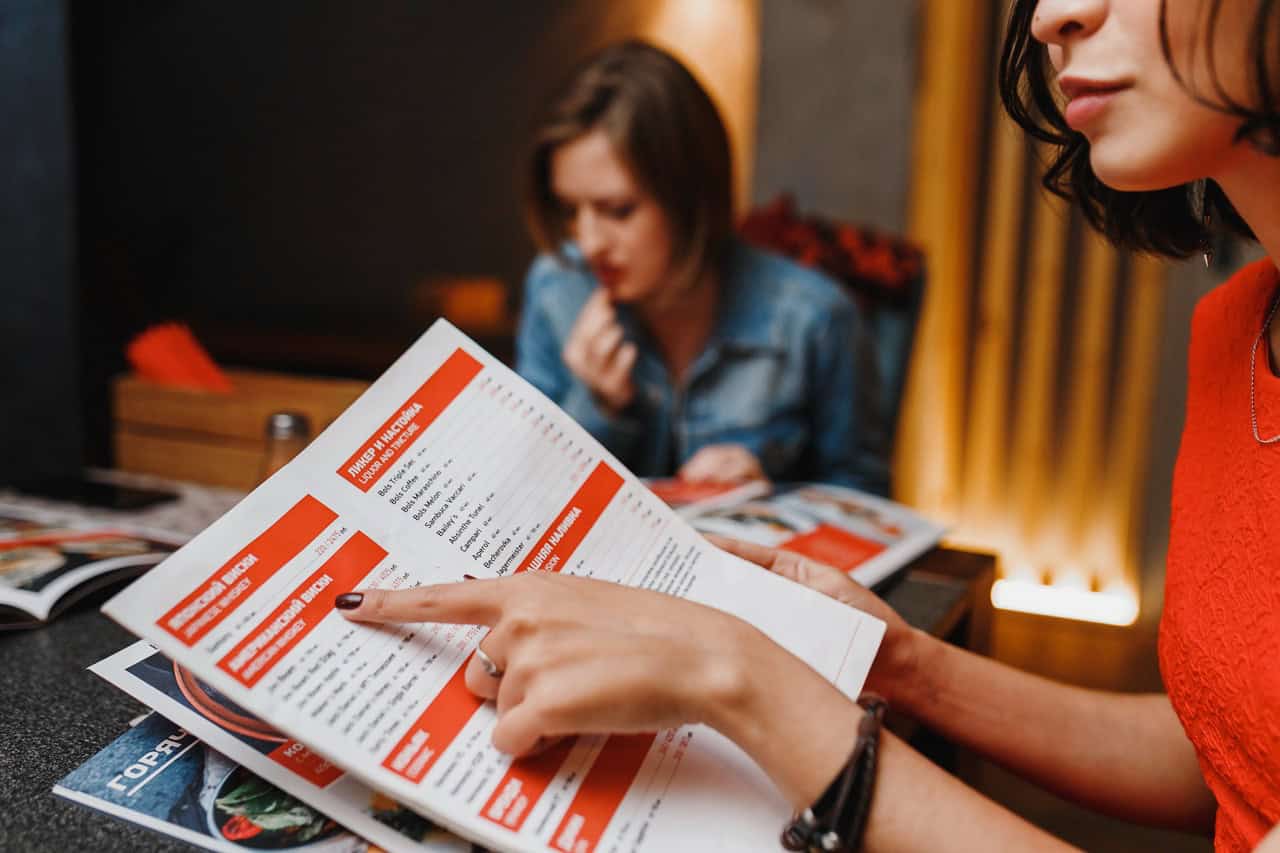
Polypropylene, or PP, takes a different approach. It's a single-polymer plastic with no chlorine added, which makes it much easier to recycle (resin code 5, for those keeping track). It's also sturdier, so menus printed on PP hold their shape nicely, a great match for flat, front-and-back designs.
Then there's polyethylene, or PE. Softer and more flexible, it's the go-to choice if you're thinking about folding. Want a bifold or trifold menu? PE has you covered. As a resin code 2 material, it's widely recyclable too.
Over the past five years or so, synthetic menus have really taken off, especially among independent restaurants and small chains. And it's easy to see why. They're tough, they hold up to daily wear, and they simply look classier than laminated menus, which have an annoying habit of peeling at the edges. Sure, the upfront cost is higher, but these menus stick around. That longevity matters a lot to smaller operators, who typically refresh their menus only once or twice a year. Compare that to national chains swapping menus three to six times annually, and suddenly reprinting expensive synthetic menus every few months starts to look like a real budget drain.
But here's the interesting part: the big brands have been paying attention. They've noticed how popular these menus are with local spots, and they're not about to let independents win on looks. In the name of keeping up appearances, larger brands are opening their wallets for synthetic menus and that polished, elevated feel laminated versions just can't deliver.